


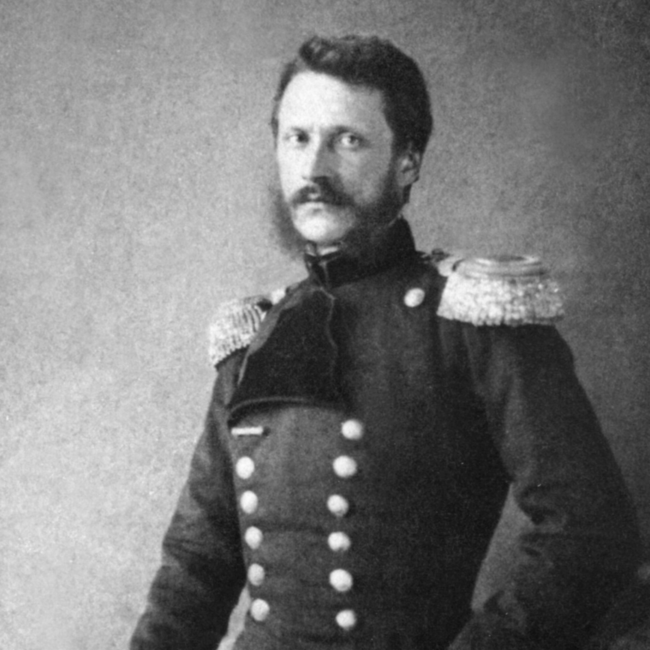
A theme dedicated to the historical figure Alexandru Ioan Cuza, the ruler who accomplished the Union of the Romanian Principalities in 1859. This section highlights his importance for the modern development of Romania and the defining reforms of the era.
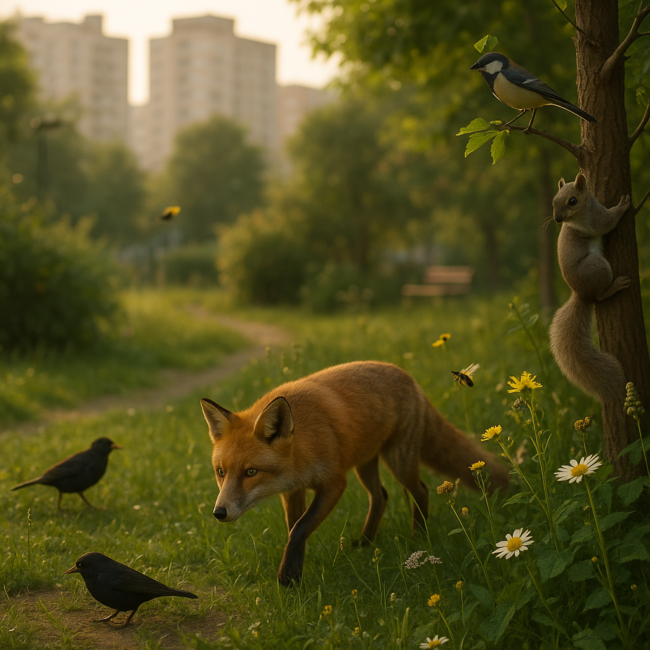
Even in urban environments, there is a surprising level of biodiversity. The theme explores how animals and plants adapt to life in cities, as well as current challenges, such as habitat loss and species decline.
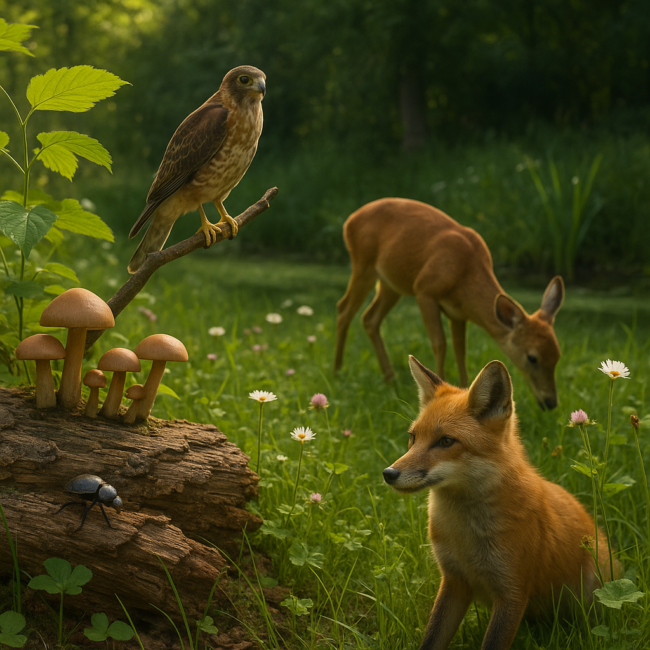
Species interact in various ways, from strategic relationships such as mutualism to interactions like predation and commensalism. This section demonstrates how these relationships influence the balance of ecosystems.
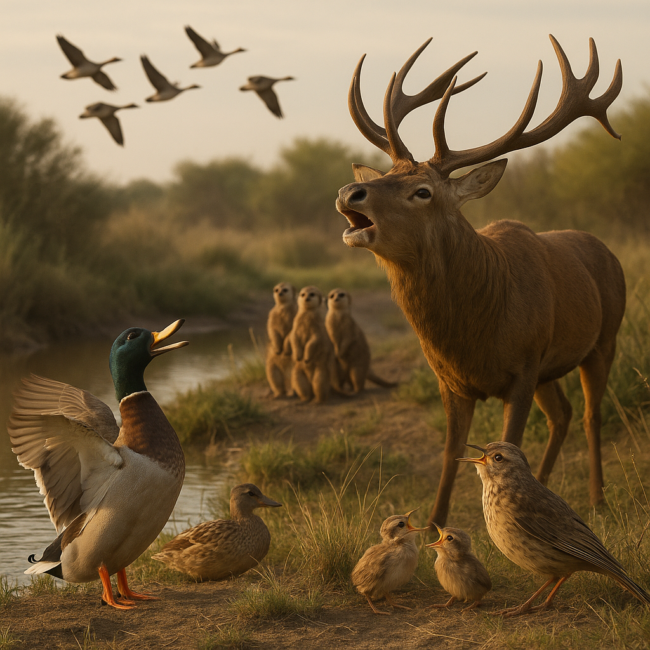
An in-depth presentation of the reasons why animals communicate: courtship, hunting, migrations, caring for the young, recognition and social organisation. The theme highlights the diversity and sophistication of interactions in nature.
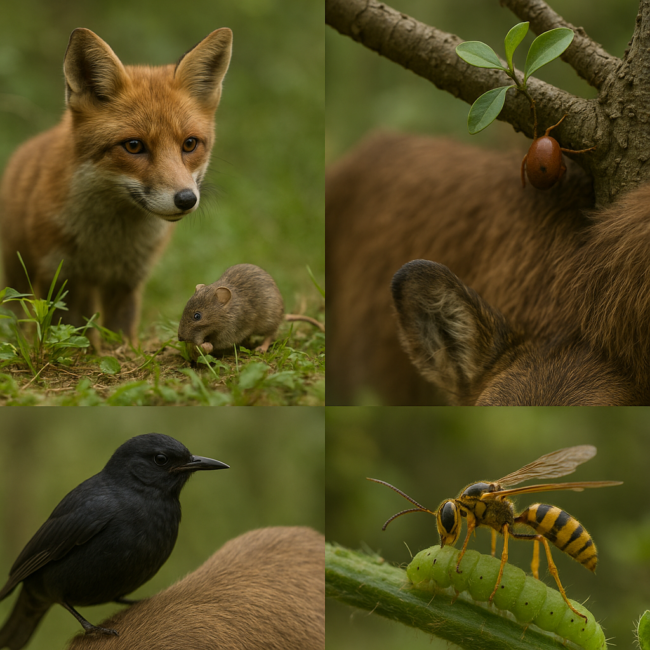
Animals communicate to reproduce, protect themselves, cooperate, and maintain their social structure. From visual and auditory signals to subtle group behaviours, the theme reveals the complexity of the animal world.
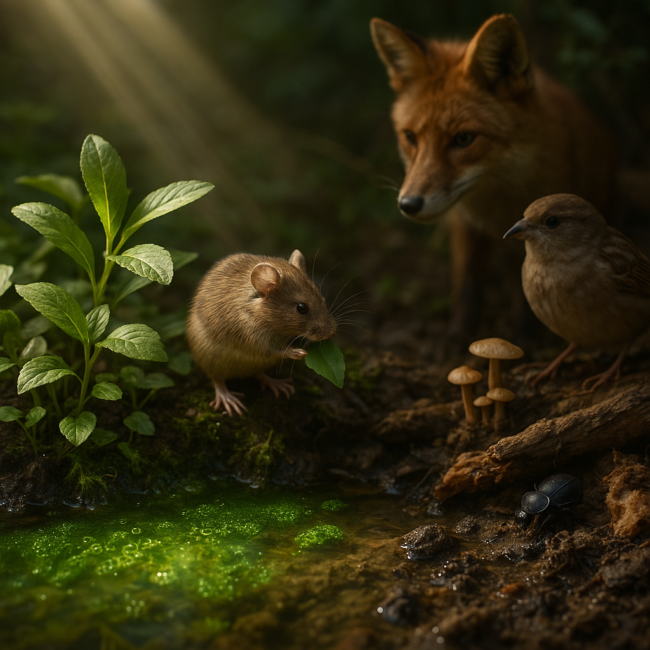
In nature, organisms feed in different ways to survive. From autotrophic organisms that produce their own food to consumers and decomposers, this section explains the role of each category in the functioning of ecosystems.
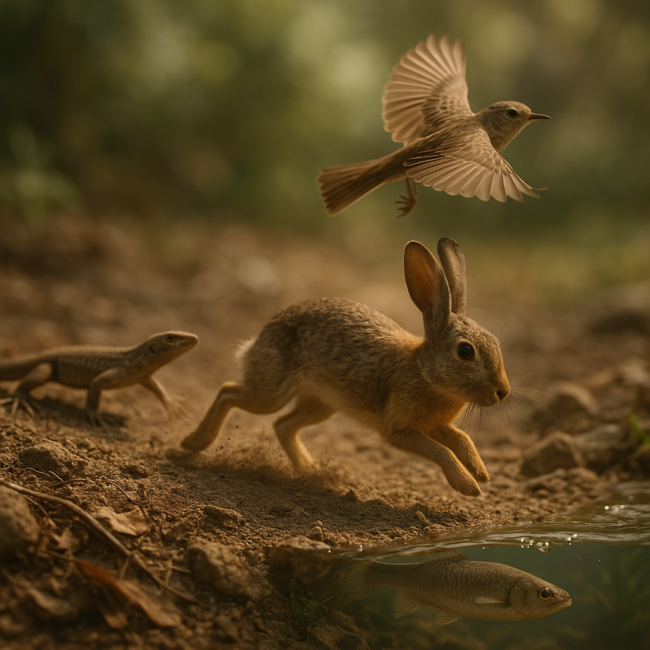
Animals move in various ways adapted to the environment in which they live: on land, in the air, or in water. This theme demonstrates how anatomy and behaviour determine the types of movement observed in nature.
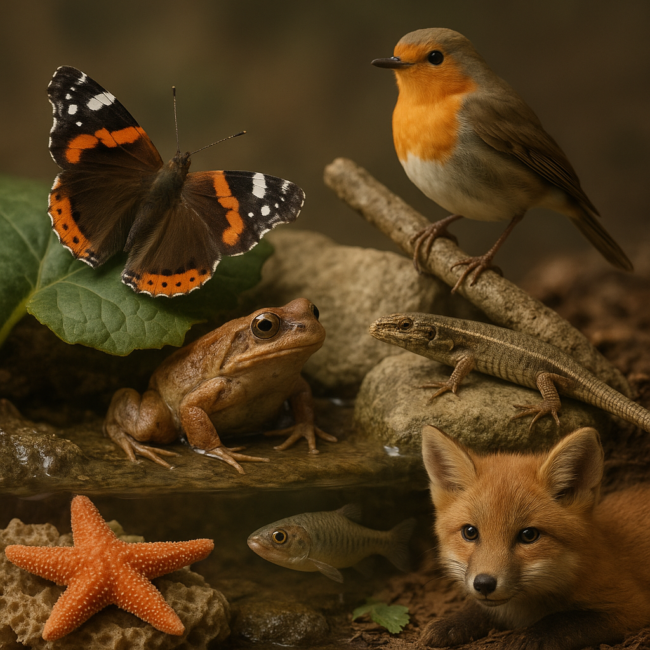
Biological diversity is presented through the classification of organisms into major groups: invertebrates, fish-amphibians-reptiles, birds, and mammals. Each group is illustrated with representative examples and their specific adaptations.
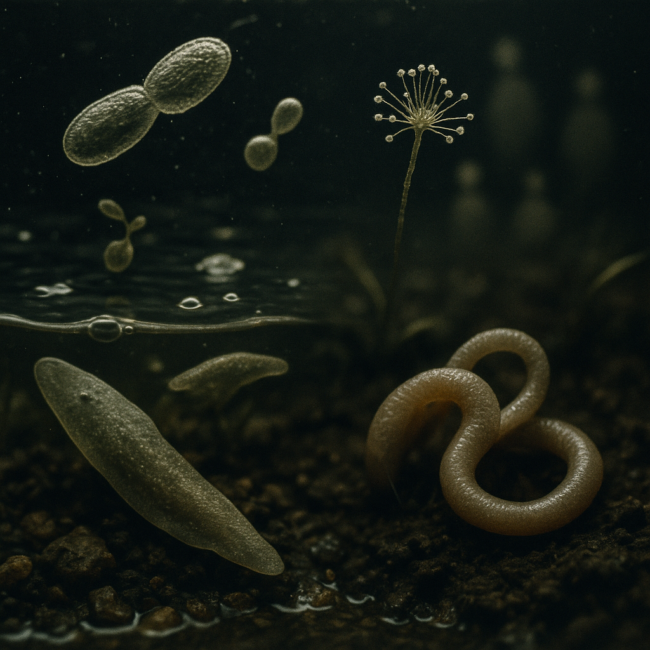
Reproduction ensures the continuity of species. The section introduces the differences between asexual and sexual reproduction, providing real examples from nature and explaining the importance of this process in the survival of organisms.
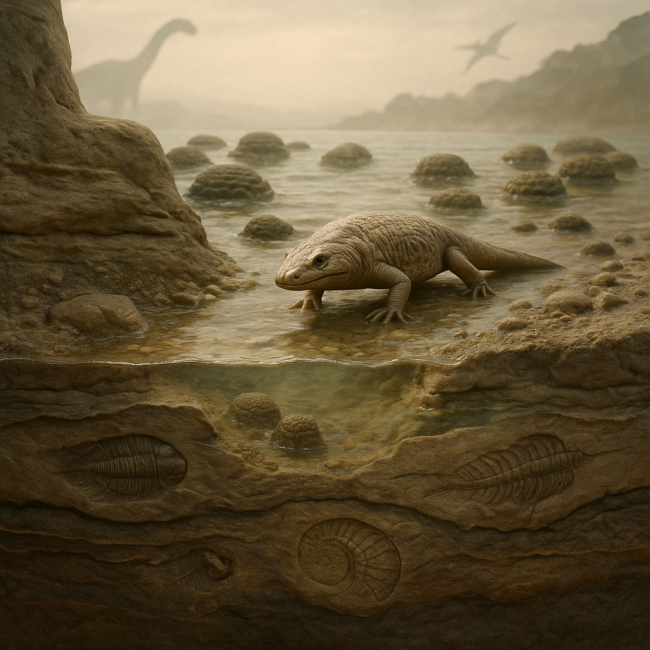
The evolution of life is presented through the essential stages that have led to the current diversity. From the first simple organisms to complex forms, this topic explains how natural selection and environmental changes have shaped species.
- 1
- 2


